


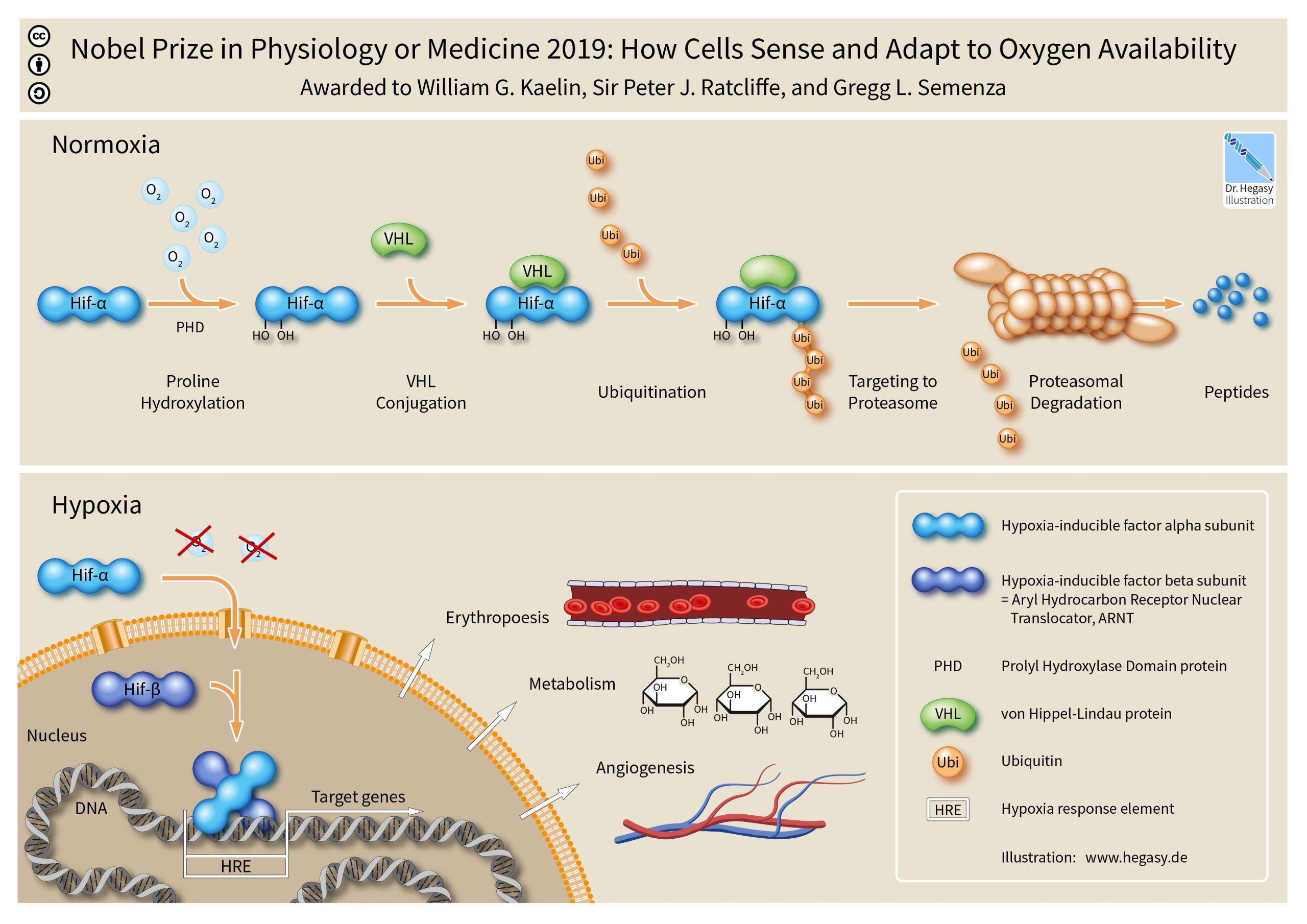
Nobel Prize in Medicine has been awarded to Karl Deisseroth, Peter Hegemann, and Georg Nagel for their exceptional contributions to the field. This prestigious recognition underscores the importance of innovation in medical science.
What is the Nobel Prize in Medicine?
The Nobel Prize in Medicine, awarded annually, recognizes outstanding contributions to the field of medical science. Established by the will of Alfred Nobel, the prize aims to honor individuals whose work has significantly improved our understanding of human health and disease. The prestigious award not only acknowledges groundbreaking research but also serves to inspire future generations of medical scientists.
Each year, a committee of experts selects recipients based on their innovative discoveries, which often lead to advancements in treatments and therapies. This recognition can elevate a scientist’s career, bringing their research into the global spotlight and attracting further funding for their work.
The Nobel Prize in Medicine has a rich history, with the first award presented in 1901. Over the years, many laureates have made monumental strides in various areas, including genetics, immunology, and neuroscience. Some notable winners include:
- Albert Calmette and Camille Guérin for developing the BCG vaccine against tuberculosis.
- James Watson, Francis Crick, and Rosalind Franklin for discovering the structure of DNA.
- Harold Varmus and J. Michael Bishop for their work on cancer genes.
Winning the Nobel Prize in Medicine is often regarded as one of the highest honors in the medical field, symbolizing a commitment to advancing human health.
Key Contributions of the Winners
The recent recipients of the Nobel Prize in Medicine, Karl Deisseroth, Peter Hegemann, and Georg Nagel, have made groundbreaking contributions that significantly advance our understanding of the brain and its functions. Their work has opened new avenues for research and potential therapies in neuroscience.
One of the key contributions from Karl Deisseroth is the development of optogenetics, a revolutionary technique that allows scientists to control neurons using light. This innovative approach has enabled researchers to explore the complex circuits of the brain and how they influence behavior, providing insights into various neurological disorders.
Peter Hegemann played a vital role in the discovery of light-sensitive proteins, known as opsins, which are crucial for optogenetics. His research has not only enhanced our knowledge of microbial photosensitivity but also paved the way for its application in mammalian systems, further bridging the gap between basic science and clinical applications.
Georg Nagel has contributed to the understanding of how these opsins work at a molecular level, enriching the field with essential details about their mechanisms. His findings have been instrumental in refining the techniques used in optogenetics, making them more accessible to researchers worldwide.
Together, these laureates embody the spirit of the Nobel Prize in Medicine, showcasing how innovative research can lead to transformative changes in healthcare and our understanding of the human brain.
Impact of Their Research on Healthcare
The recent award of the Nobel Prize in Medicine to Karl Deisseroth, Peter Hegemann, and Georg Nagel highlights the transformative impact of their research on healthcare and scientific advancement. Their work has paved the way for significant improvements in understanding and treating a variety of neurological disorders.
One of the most notable contributions is the development of optogenetics, a technique that uses light to control neurons within living tissue. This innovation has allowed scientists to manipulate specific brain cells with precision, leading to breakthroughs in studying conditions such as Parkinson’s disease and depression.
The implications of their research extend beyond basic science, influencing clinical practices and patient care. Key impacts include:
- Enhanced Understanding: Researchers are now able to investigate the neural circuits involved in complex behaviors, providing insights that were previously unattainable.
- Improved Treatments: By understanding the mechanisms of neurological disorders, new therapeutic strategies are being developed, potentially offering hope to millions around the world.
- Innovative Technologies: The methods derived from their work are inspiring new technologies in biomedical research, fostering collaboration across multiple disciplines.
In summary, the Nobel Prize in Medicine awarded to these scientists not only acknowledges their groundbreaking contributions but also sets a new standard for innovation in healthcare, suggesting that their research will continue to shape the future of medicine.
Historical Significance of the Nobel Prize
The Nobel Prize in Medicine has a profound historical significance that extends beyond mere accolades. Established in 1895 by the will of Alfred Nobel, this prize has recognized groundbreaking discoveries that have fundamentally transformed our understanding of human health and disease.
Throughout its history, the Nobel Prize in Medicine has celebrated a diverse array of medical breakthroughs. These include revolutionary advancements in areas such as immunology, genetics, and neurology. Each awarding ceremony serves as a reminder of the relentless pursuit of knowledge by scientists who seek to alleviate suffering and improve the quality of life for millions.
One of the notable aspects of the prize is its ability to highlight interdisciplinary efforts. Many winners have successfully bridged gaps between traditional medical research and emerging fields like biotechnology and pharmacology. This cross-pollination of ideas often leads to innovative therapies and treatments that benefit society as a whole.
Additionally, the Nobel Prize in Medicine fosters a sense of collaboration among researchers worldwide. It encourages budding scientists to dream big and aspire to make significant contributions to their fields. As we reflect on the achievements of recent laureates, it becomes evident that the prize not only honors individual accomplishments but also inspires future generations to continue the quest for medical excellence.
Reactions from the Medical Community
The announcement of the 2026 Nobel Prize in Medicine has elicited a flurry of reactions from the medical community, highlighting the profound respect and admiration for the winners, Karl Deisseroth, Peter Hegemann, and Georg Nagel. Their groundbreaking work in the field of optogenetics has opened new avenues for understanding the brain and treating neurological disorders.
Prominent neuroscientist Dr. Lisa Thompson stated, “This year’s Nobel Prize in Medicine is a testament to the innovative spirit of researchers who are pushing the boundaries of neuroscience.” Many experts agree that the recognition of these scientists not only honors their individual contributions but also underscores the importance of interdisciplinary approaches in medical research.
In the words of Dr. James Lee, a pharmacologist, “The impact of their discoveries cannot be overstated; they have fundamentally changed our understanding of how we can manipulate neuronal activity.” Reactions from various organizations reflect a collective enthusiasm, with the International Brain Research Association issuing a statement praising the winners for their transformative influence on therapeutic techniques.
Furthermore, social media has been abuzz, as colleagues, students, and institutions share congratulatory messages, emphasizing the significance of the Nobel Prize in Medicine as perhaps the pinnacle of recognition in the field. As the dust settles, the hope is that this recognition will inspire a new generation of scientists to pursue groundbreaking research and innovation.
Future of Medical Innovations
The future of medical innovations is bright, as evidenced by the recent awarding of the Nobel Prize in Medicine to Karl Deisseroth, Peter Hegemann, and Georg Nagel. Their groundbreaking work not only highlights the importance of continued research but also sets the stage for future advancements in the field. As the world witnesses rapid technological changes, the potential for innovation in medicine grows exponentially.
Emerging technologies such as gene editing, artificial intelligence, and personalized medicine are reshaping the landscape of healthcare. These innovations promise to enhance diagnosis, treatment, and prevention strategies, ultimately leading to better patient outcomes. The recognition of exceptional contributions through prestigious awards like the Nobel Prize in Medicine serves as a catalyst for further exploration and investment in these areas.
Key areas to watch in the future include:
- Gene Therapy: Harnessing genetic modifications to treat or prevent diseases.
- Telemedicine: Expanding access to healthcare through remote consultations and monitoring.
- Artificial Intelligence: Utilizing algorithms to improve diagnostic accuracy and treatment plans.
- Regenerative Medicine: Developing therapies that repair or replace damaged tissues and organs.
As the medical community continues to innovate, the Nobel Prize in Medicine will remain a symbol of excellence, inspiring future generations to push the boundaries of what is possible in healthcare.
How Are Nobel Prize Winners Selected?
The selection process for the Nobel Prize in Medicine is a meticulous and rigorous procedure, ensuring that only the most deserving candidates are honored for their groundbreaking contributions. The Nobel Assembly at the Karolinska Institute in Sweden is responsible for selecting the winners. This assembly consists of a group of experts in the field of medicine and physiology.
Each year, nominations are made by a select group of individuals, including previous laureates, members of national academies, and professors from renowned universities. These nominators are tasked with presenting candidates who have made significant advancements in medical science, aligning with the core values of the Nobel Prize in Medicine.
After the nominations are submitted, the assembly reviews the candidates’ work, often consulting with external experts to gauge the impact and originality of their research. In the case of the 2026 Nobel Prize in Medicine awarded to Karl Deisseroth, Peter Hegemann, and Georg Nagel, their innovative contributions to understanding neural circuits exemplify the kind of groundbreaking work that the prize aims to recognize.
The final decision is made through a series of votes, leading to the announcement of the laureates. This careful selection process not only honors individual achievements but also highlights the evolving landscape of medical research and its vital role in improving global health.
Celebrating Achievements in Science
The Nobel Prize in Medicine continues to stand as a symbol of excellence in the scientific community, celebrating remarkable achievements that have significantly advanced our understanding of human health. This prestigious award not only honors the winners but also highlights the profound impact of their work on society.
Each year, the prize brings attention to groundbreaking research, inspiring new generations of scientists to pursue their passions in medicine and biology. The recognition associated with the Nobel Prize in Medicine serves as a powerful motivator for researchers, encouraging innovative approaches to solving complex medical challenges.
Among the laureates, Karl Deisseroth, Peter Hegemann, and Georg Nagel, who were awarded the Nobel Prize in Medicine in 2026, exemplify the spirit of scientific inquiry. Their contributions have paved the way for advancements in our understanding of neural circuits and their implications for mental health and neurological disorders.
Moreover, the Nobel Prize in Medicine has a ripple effect, as it draws public attention to critical health issues and the importance of funding for scientific research. As society grapples with emerging health threats, the achievements recognized by the Nobel Prize inspire collaborative efforts across disciplines, fostering an environment where innovation thrives.
In conclusion, the celebration of achievements in science through awards like the Nobel Prize in Medicine not only acknowledges individual contributions but also reinforces the collective pursuit of knowledge that benefits humanity as a whole.
By Dr. Guido Hegasy via Openverse
Sources
The Indian Express · Nobel Prize in Medicine
Related stories
Euroseas stock performance: Is it the best investment now? · RBI rate hike: Is It the Right Time for a Change? · IPO GMP On Listing Day: Best Insights for Investors