


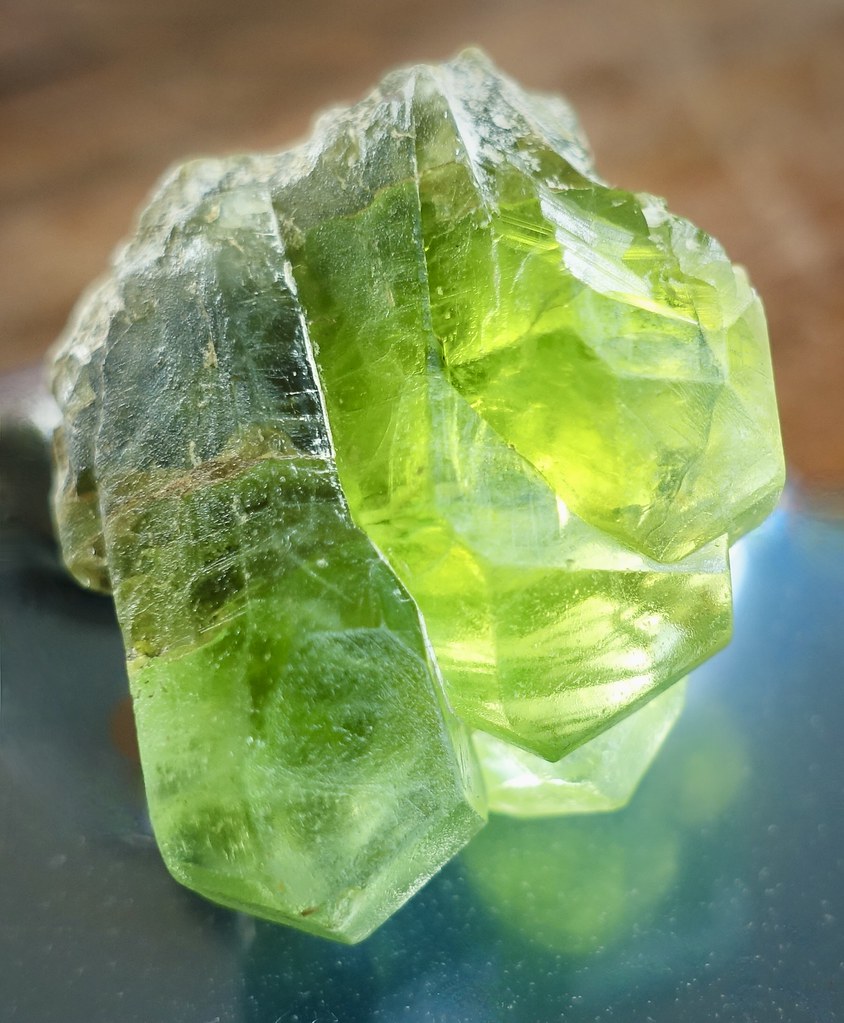
The mineral from inside planets offers insights into how you push matters. This fascinating discovery sheds light on the dynamics of planetary interiors and their influence on geological processes.
Understanding Planetary Minerals
Scientists have long studied the mineral from inside planets to understand the fundamental processes that shape celestial bodies. Recent research has unveiled that the way these minerals are manipulated can significantly alter their properties and behaviors. This revelation has profound implications for our understanding of planetary formation and dynamics.
One particular focus has been on how pressure and temperature affect the structural integrity of these minerals. By simulating the extreme conditions found deep within planets, researchers have discovered that even slight variations in how pressure is applied can lead to dramatically different outcomes.
- Increased pressure: Leads to denser mineral formations.
- Temperature variations: Can change the mineral’s chemical composition.
- Direction of push: Affects how minerals align and bond with one another.
This research not only provides insights into the geological processes of planets but also emphasizes the importance of technique in scientific experimentation. Understanding the nuances of how you push matters greatly in the study of planetary minerals.
The Role of Pressure in Geology
The study of geology has long been influenced by the understanding of pressure and its effects on minerals. Recent findings about a mineral from inside planets have provided valuable insights into this relationship. Researchers discovered that pressure not only changes the physical properties of minerals but also affects their behavior under different conditions.
In particular, the mineral’s response to varying levels of pressure highlights the significance of how forces are applied. This can lead to unexpected outcomes, which challenges existing notions in geological processes. For instance, when pressure is applied uniformly, minerals behave differently compared to when force is applied unevenly.
Key points to consider include:
- Pressure Variations: Different minerals react uniquely to fluctuations in pressure, revealing the complexity of geological formations.
- Planetary Formation: Understanding these minerals helps scientists infer the conditions present during the formation of planets.
- Implications for Earth: Insights gained can lead to a better comprehension of Earth’s own geological activities.
Ultimately, the findings emphasize that in geology, how you push matters just as much as how much you push.
How Minerals Shape Planetary Dynamics
The study of minerals from inside planets provides crucial insights into the dynamics that govern planetary formation and evolution. These minerals, shaped by extreme conditions, highlight the importance of pressure in determining their properties and behaviors. The interactions between different minerals can lead to significant geological events, influencing everything from tectonic activity to volcanic eruptions.
Research has shown that the way these minerals respond to pressure can vary dramatically. For instance, perovskite, a mineral found deep within the Earth, exhibits unique characteristics under high-pressure conditions. This mineral serves as a prime example of how the internal structure of planets can affect their overall stability and geologic activity.
Furthermore, the lessons learned from studying minerals from inside planets extend beyond geology. They can inform our understanding of other planetary bodies, suggesting that similar processes may occur elsewhere in the universe. As we continue to explore the depths of our own planet and beyond, the significance of these minerals will undoubtedly play a vital role in unraveling the mysteries of planetary dynamics.
Lessons from Planetary Interiors
The study of minerals from inside planets has provided valuable insights into the dynamic processes that shape celestial bodies. These minerals, formed under extreme pressure, offer a unique perspective on geological behavior. One surprising lesson learned is that the way forces are applied to these minerals can significantly affect their structural integrity and behavior.
Researchers have identified key factors that influence the stability and transformation of minerals in planetary interiors:
- Pressure Variations: Different levels of pressure can lead to the formation of diverse mineral structures, altering their physical properties.
- Temperature Fluctuations: Changes in temperature can affect how minerals respond to stress, impacting their performance in geological processes.
- Material Composition: The specific elements present within minerals dictate their reactions to external forces, highlighting the importance of chemical makeup.
This understanding not only enhances our knowledge of planetary geology but also informs broader principles applicable to materials science and engineering, emphasizing that the manner in which forces are applied can yield significantly different outcomes.
The Science Behind Mineral Formation
The formation of minerals from inside planets is a complex process influenced by various geological factors. Researchers have recently uncovered that the conditions under which these minerals develop can drastically alter their properties and behaviors.
One of the key elements in this process is pressure. As materials are subjected to immense pressures deep within a planet’s interior, their atomic structures can change, leading to the creation of unique minerals not found on the surface. These high-pressure minerals offer insights into the composition and evolution of planetary bodies.
Additionally, temperature plays a critical role in mineral development. High temperatures combined with pressure can result in the formation of exotic minerals that exhibit unusual characteristics. Scientists study these materials to better understand the environmental conditions that exist inside planets.
- Mineral diversity is largely influenced by the specific conditions present during formation.
- Minerals from inside planets can provide clues about the geological history of these celestial bodies.
- The study of these minerals enhances our understanding of planetary dynamics.
Implications for Earth and Beyond
The discovery of a new mineral from inside planets has significant implications for our understanding of both planetary geology and Earth’s own processes. This mineral, formed under extreme pressure and temperature conditions, highlights the crucial role that force plays in shaping not just planetary interiors, but also surface dynamics.
Researchers are now considering how the findings related to this mineral could inform our approach to resource extraction and environmental management on Earth. The lessons learned from the behavior of minerals under pressure can be applied to various geological processes, such as:
- Tectonic activity: Understanding how minerals react can help predict earthquakes and volcanic eruptions.
- Mining practices: Insights into mineral stability may lead to safer and more efficient extraction methods.
- Climate change: The role of minerals in carbon sequestration can highlight potential solutions for reducing atmospheric CO2 levels.
Ultimately, the study of this mineral from inside planets not only deepens our grasp of the cosmos but also enriches our understanding of Earth’s own geological narrative.
Exploring the Depths of Planets
Recent studies have highlighted the significance of a unique mineral from inside planets, which sheds light on the fundamental processes shaping planetary structures. Researchers have been investigating how these minerals respond to varying pressures and temperatures deep within planetary interiors. The findings suggest that the way materials are pushed and compressed can dramatically alter their physical properties.
During experiments, scientists observed that the arrangement of atoms within the mineral changes depending on the force applied. This phenomenon has profound implications for our understanding of planetary geology, indicating that the internal dynamics of planets can lead to variations in mineral composition and stability.
The insights gained from this research not only advance our knowledge of planetary formation but also offer valuable lessons for Earth’s geological activities. As we explore the depths of planets, it becomes increasingly clear that the mechanics of pressure and movement are crucial to the evolution of planetary environments.
Ultimately, the study of these minerals serves as a reminder of the complex interactions occurring beneath the surface, driving the ongoing changes we observe in celestial bodies.
Future Research Directions in Planetary Science
As researchers continue to explore the fascinating world of planetary science, future research directions will undoubtedly delve deeper into the mysteries of minerals from inside planets. Understanding these minerals not only enhances our knowledge of planetary formation but also sheds light on the dynamic processes occurring within celestial bodies.
Key areas for future exploration include:
- Advanced Mineral Analysis: Utilizing cutting-edge technology to analyze mineral compositions from various planetary interiors.
- Experimental Geophysics: Conducting high-pressure experiments to replicate conditions found deep within planets, allowing for better predictions of mineral behavior.
- Planetary Comparisons: Investigating similarities and differences in mineralogy across different planets to understand their geological histories.
- Impact on Habitability: Examining how the presence of certain minerals influences the potential for life on other planets.
By focusing on these promising research avenues, scientists can further unravel the complex relationships between minerals from inside planets and the formation of planetary systems, ultimately expanding our understanding of the universe.
The study of the mineral from inside planets reveals important insights into their formation and evolution. Understanding how this mineral from inside planets behaves under extreme conditions can help us better grasp the dynamics of planetary interiors.
By jurvetson via Openverse