









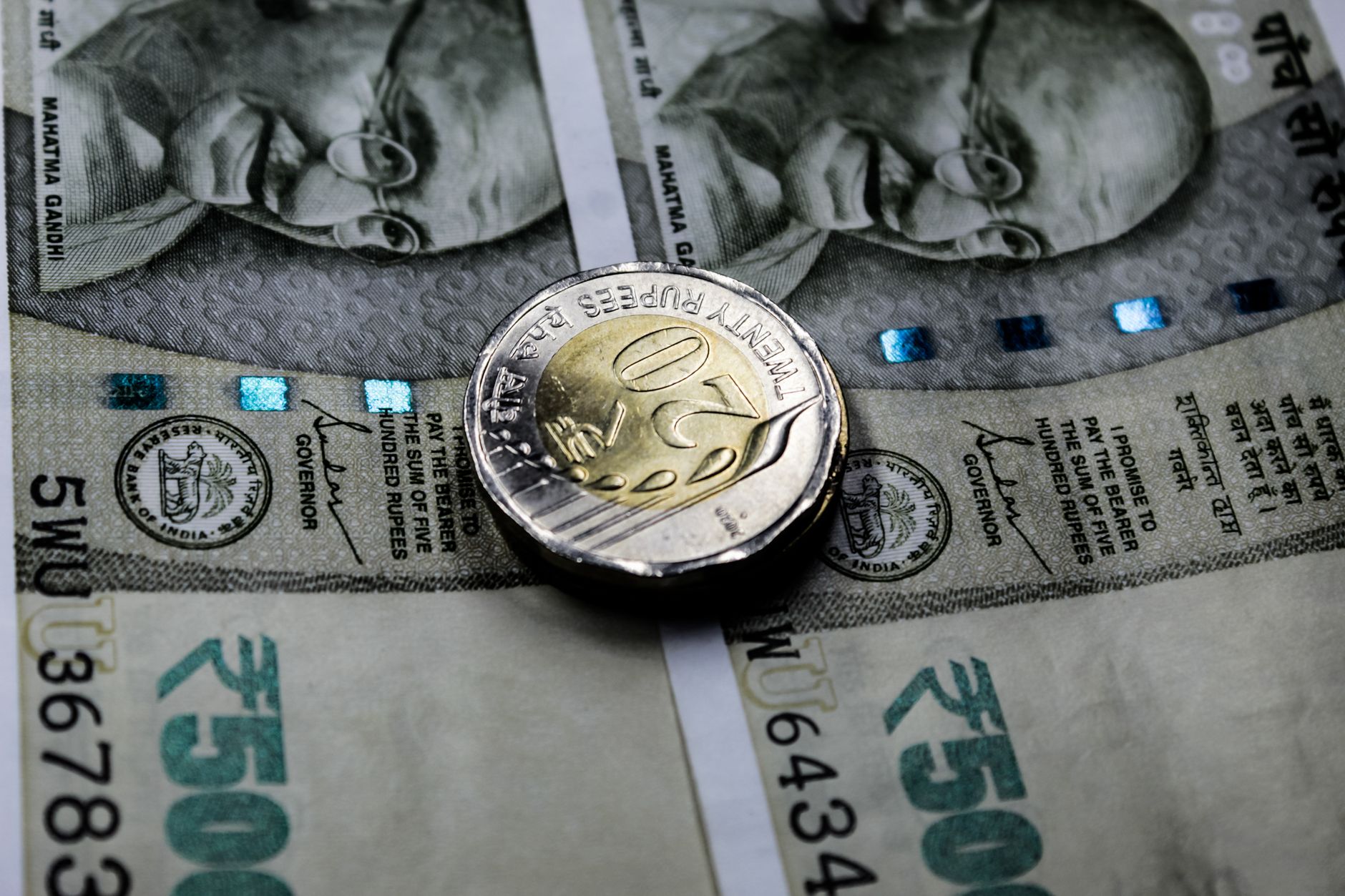
India rupee performance has outpaced its Asian peers recently, driven by fresh foreign exchange curbs and interventions from the Reserve Bank of India.
Overview of India’s Currency Market
The performance of the India rupee has garnered attention as it outpaces its Asian peers amid recent foreign exchange curbs and interventions by the Reserve Bank of India (RBI). In the ever-evolving landscape of global currencies, the India rupee’s resilience has been notable, reflecting a blend of economic fundamentals and strategic policy measures.
Key factors influencing the currency market include:
- Foreign Investment: An influx of foreign direct investment has provided significant support to the rupee.
- Central Bank Policies: The RBI’s proactive measures in managing liquidity have contributed to the stability of the India rupee.
- Economic Indicators: Positive economic data, including GDP growth and manufacturing output, have bolstered investor confidence.
- Global Market Trends: Fluctuations in global markets and commodity prices have also played a role in shaping the currency’s trajectory.
As these dynamics unfold, the India rupee’s performance remains a focal point for investors and policymakers alike, signaling potential growth opportunities in the currency market.
Impact of RBI Interventions
The performance of the India rupee has been significantly influenced by the interventions of the Reserve Bank of India (RBI). As the central bank actively engages in foreign exchange (FX) management, its actions have played a crucial role in stabilizing the currency against global volatility.
Recently, the RBI implemented fresh measures aimed at curbing excessive fluctuations in the rupee’s value. These interventions have resulted in the rupee outpacing other Asian currencies, showcasing resilience amidst global economic challenges.
Factors contributing to the RBI’s decisions include:
- Market Sentiment: The RBI closely monitors market trends and investor sentiment to make informed decisions.
- Inflation Control: By managing the currency’s strength, the RBI aims to keep inflation in check, which is vital for economic stability.
- Trade Balance: Interventions help support exporters by maintaining a favorable exchange rate.
Overall, the strategic moves of the RBI are essential for enhancing the India rupee performance in the global market.
Foreign Exchange Curbs Explained
The recent performance of the India rupee has been significantly influenced by foreign exchange curbs implemented by the Reserve Bank of India (RBI). These measures aim to stabilize the currency amid global volatility and enhance its competitiveness against other currencies.
Foreign exchange curbs can take various forms, including:
- Limits on foreign investments: Restrictions on the amount of foreign capital that can be invested in Indian markets help control the flow of currency and manage the rupee’s value.
- Mandatory hedging requirements: Companies may be required to hedge their foreign exchange exposures, reducing the impact of currency fluctuations.
- Monitoring and intervention: The RBI actively monitors the foreign exchange market, intervening when necessary to prevent excessive volatility and maintain stability.
These strategies have proven effective in reinforcing the India rupee performance, allowing it to outpace several Asian peers. By managing foreign exchange dynamics, the RBI aims to foster a more resilient economic environment for growth.
Comparative Analysis with Asian Peers
The performance of the India rupee has shown notable resilience compared to its Asian peers, particularly in light of recent foreign exchange curbs and interventions from the Reserve Bank of India (RBI). A comparative analysis reveals significant differences in currency stability and growth potential among major Asian currencies.
- Indian Rupee vs. Other Asian Currencies: The rupee’s value has maintained relative strength against currencies such as the Indonesian rupiah and the Philippine peso, which have faced greater volatility.
- RBI’s Role: The proactive measures taken by the RBI, including market interventions, have played a crucial role in stabilizing the rupee during challenging economic conditions.
- Market Sentiment: Investors have shown increased confidence in the Indian economy, further bolstering the performance of the rupee as it adapts to external pressures.
As the India rupee continues to outperform its Asian counterparts, understanding these dynamics can help in formulating effective strategies for currency growth in the future.
Recent Trends in Currency Performance
Recent trends in currency performance indicate that the India rupee has shown resilience amidst a backdrop of economic fluctuations. In recent weeks, the rupee has outpaced several Asian peers, largely due to strategic foreign exchange curbs and timely interventions by the Reserve Bank of India (RBI).
Analysts have pointed out that the RBI’s proactive measures have played a crucial role in stabilizing the currency. These interventions are aimed at curbing excessive volatility and maintaining investor confidence. The rupee’s performance has been further bolstered by a robust trade surplus and increasing foreign direct investment inflows.
Moreover, market sentiment appears to be shifting positively, with investors showing renewed interest in Indian assets. Some key factors contributing to this trend include:
- Stable inflation rates: The RBI’s effective monetary policy has helped maintain price stability.
- Improving economic indicators: Growth in sectors such as technology and manufacturing has strengthened the rupee’s position.
- Global market dynamics: Fluctuations in major currencies have also influenced the rupee’s performance.
Future Projections for the Indian Rupee
The future projections for the Indian rupee performance indicate a mixed outlook, heavily influenced by both domestic and global factors. Economists suggest that the rupee’s strength could be challenged by ongoing geopolitical tensions and fluctuating oil prices.
Several key elements are expected to shape the rupee’s trajectory:
- Economic Growth: A robust growth forecast for India could strengthen investor confidence, positively impacting the rupee.
- Inflation Trends: Managing inflation effectively will be crucial; higher inflation may lead to depreciation of the currency.
- Global Market Conditions: The performance of the US dollar and other major currencies will play a significant role in determining the rupee’s value.
- RBI Policies: Continued interventions by the Reserve Bank of India may stabilize the rupee, but could also lead to market distortions.
Overall, while the Indian rupee shows potential for growth, it remains susceptible to various external pressures that could impact its performance in the coming months.
Factors Influencing Currency Strength
The performance of the India rupee is influenced by a variety of factors that contribute to its strength against other currencies. Understanding these elements is essential for assessing the rupee’s trajectory in the global market.
- Economic Indicators: Key indicators such as GDP growth, inflation rates, and trade balances play a critical role in determining the strength of the rupee. A robust economy often leads to a stronger currency.
- Foreign Investment: Increased foreign direct investment (FDI) and portfolio investments can bolster the rupee’s value, as they indicate confidence in the Indian economy.
- Monetary Policy: Decisions made by the Reserve Bank of India (RBI) regarding interest rates and liquidity directly impact the currency’s performance, often leading to fluctuations in the exchange rate.
- Global Market Trends: The performance of the rupee is also affected by geopolitical events and economic conditions in other countries, particularly those within Asia.
Overall, the interplay of these factors determines the India rupee performance and its competitiveness in the international arena.
Expert Opinions on Economic Strategies
Experts have weighed in on the recent performance of the India rupee, highlighting various economic strategies that could bolster its growth. According to renowned economist Dr. Aditi Sharma, strong fiscal discipline and targeted investments in infrastructure are crucial for enhancing the currency’s stability. She emphasizes the importance of maintaining a balance between fiscal spending and revenue generation to avoid inflationary pressures.
Additionally, Professor Rajiv Mehta stresses the need for continued foreign direct investment (FDI) to support the India rupee performance. He notes that attracting global investors can strengthen the currency against its Asian peers, particularly in times of economic uncertainty.
Furthermore, a panel of financial analysts suggests that effective communication from the Reserve Bank of India (RBI) regarding its monetary policy can significantly influence market sentiment. By fostering transparency and predictability, the RBI can help stabilize the rupee amidst fluctuating global conditions.
Implementing these strategies may not only enhance the India rupee performance but also contribute to overall economic resilience.
Investors looking to capitalize on India rupee performance should consider diversifying their portfolios to include assets that are sensitive to currency fluctuations. Additionally, understanding the macroeconomic factors influencing India rupee performance can lead to more informed investment decisions.
Photo by Ravi Roshan on Pexels
Where this came from
Related reading
Monetary Penalty RBI: Proven Impact on Local Banks · Singapore startups funding: The Best Proven Strategies · MF Investors Buy the Dip: Proven Strategies for SIP Success