









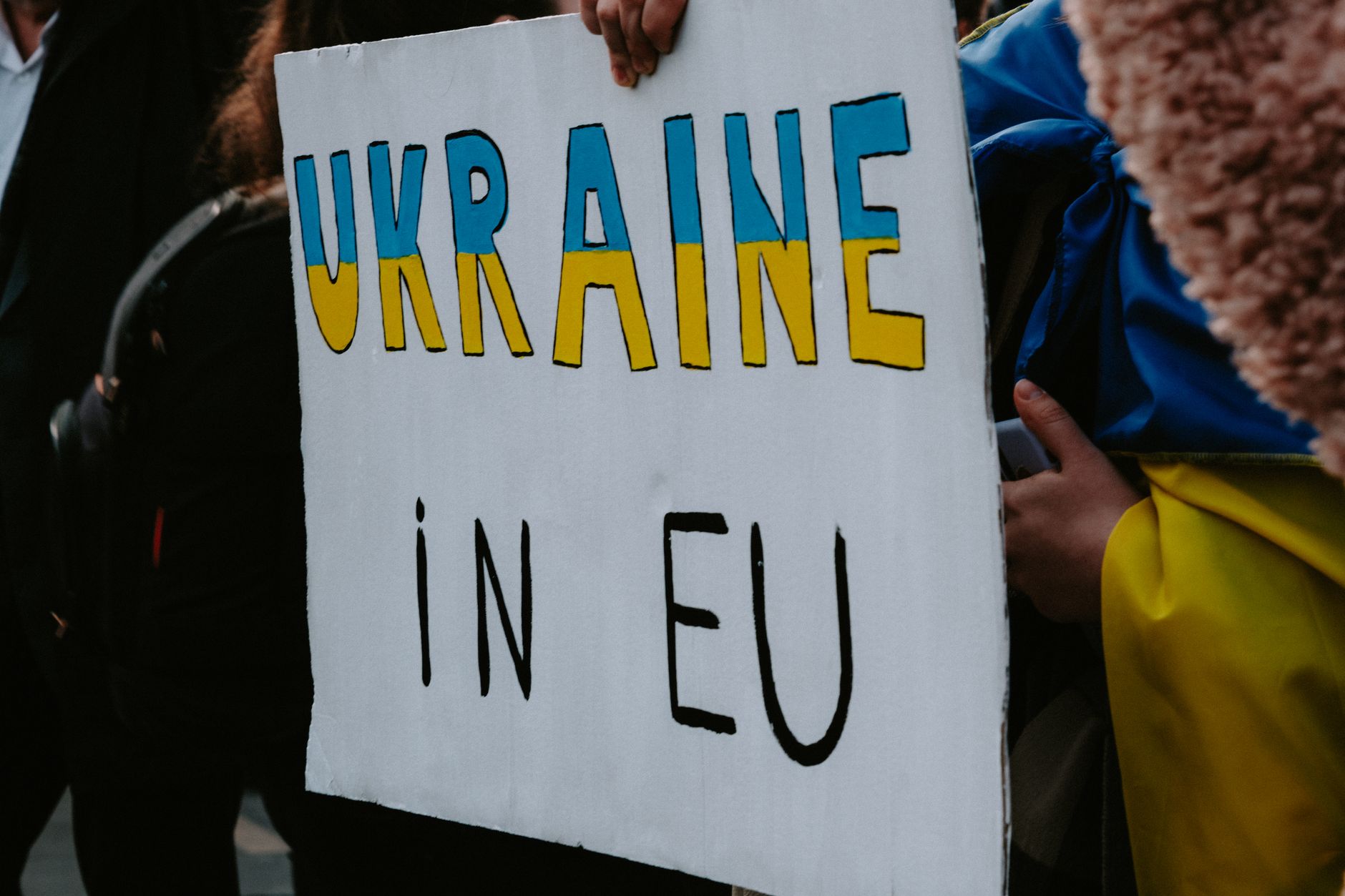
The EU social media crackdown is set to target addictive features and AI bots, aiming to create a safer online environment for users.
Overview of the EU’s Plan
The European Union has recently unveiled a comprehensive plan aimed at addressing concerns surrounding social media platforms and their impact on users. This initiative, part of the broader EU social media crackdown, seeks to regulate addictive features and combat the proliferation of AI bots that manipulate user engagement.
Key components of the plan include:
- Stricter regulations on algorithms that promote addictive content.
- Mandatory transparency for social media companies regarding data usage and user engagement practices.
- Enhanced protections for vulnerable populations, particularly minors.
- Collaboration with tech companies to develop safer user experiences.
This approach has sparked a debate about the balance between user safety and freedom of expression, raising questions about the effectiveness and implications of such regulations.
Impact on Social Media Companies
The recent EU social media crackdown aims to enforce stricter regulations on platforms to enhance user safety and reduce addictive features. Social media companies are facing increased pressure to comply with new guidelines that target harmful content and promote user well-being.
As a result, many companies are considering significant changes to their algorithms and user engagement strategies. This could lead to:
- Enhanced Monitoring: Companies may need to invest in advanced tools to monitor content more effectively.
- User Data Privacy: Stricter data protection measures could be implemented to safeguard user information.
- Content Moderation: Increased staffing for content moderation teams to ensure compliance with EU regulations.
While these changes may benefit users, they may also impose financial burdens on social media companies, raising questions about the balance between safety and profitability.
Public Reaction to the Crackdown
The EU’s social media crackdown has sparked a wide range of reactions from the public. Many users express concern over the potential loss of freedom of expression and the ability to share information freely. Some believe that regulating social media could lead to a safer online environment, particularly for younger users.
However, critics argue that such measures may be overly restrictive. They fear that the EU’s social media crackdown could stifle innovation and hinder small businesses that rely on these platforms for growth.
- Supporters of the crackdown highlight the need for safety in digital spaces.
- Opponents claim it could lead to censorship.
- Many are calling for a balanced approach that protects users without infringing on rights.
As the debate continues, opinions remain divided on the effectiveness and necessity of the EU’s measures.
Comparative Analysis with Other Regions
In examining the EU social media crackdown, it is essential to consider approaches taken by other regions. For instance, the United States has focused on voluntary guidelines for tech companies, emphasizing self-regulation rather than strict regulations. This approach has led to significant debates about freedom of speech and the role of government oversight.
Meanwhile, China has implemented stringent controls over social media, enforcing strict censorship and monitoring. While this has resulted in reduced misinformation, it raises concerns about user privacy and freedom of expression.
In contrast, the European Union aims to balance user safety and freedom by taking a more comprehensive stance against addictive features and harmful content. As global scrutiny increases, the effectiveness of the EU social media crackdown may set a precedent for how other regions tackle similar challenges in digital communication.
Future of AI in Social Media
The future of artificial intelligence (AI) in social media is under scrutiny as the EU implements its social media crackdown. This initiative aims to regulate the use of AI-driven features that can lead to addiction and adverse mental health effects. As social media companies adapt to stricter guidelines, they face the challenge of balancing user engagement with ethical considerations.
Experts argue that responsible AI can enhance user experience by promoting healthy interactions and providing tailored content without compromising safety. However, the EU’s social media crackdown may stifle innovation if companies are unable to experiment with new AI technologies.
Ultimately, the success of this regulatory framework will depend on collaboration between policymakers and tech companies. Striking a balance between safety and technological advancement will be crucial in shaping the future of AI in social media.
The EU social media crackdown aims to address the rising concerns over misinformation and harmful content online. However, critics argue that the EU social media crackdown may infringe on freedom of expression and stifle open discourse.
Photo by Mathias Reding on Pexels
Sources
Related reading
Claude Fable 5.2 AI Models: The Best Proven Innovations · Bitcoin ETF flows: The Wrong Expectations for Investors · Divi’s Laboratories shares: Best proven rally with 71% returns