









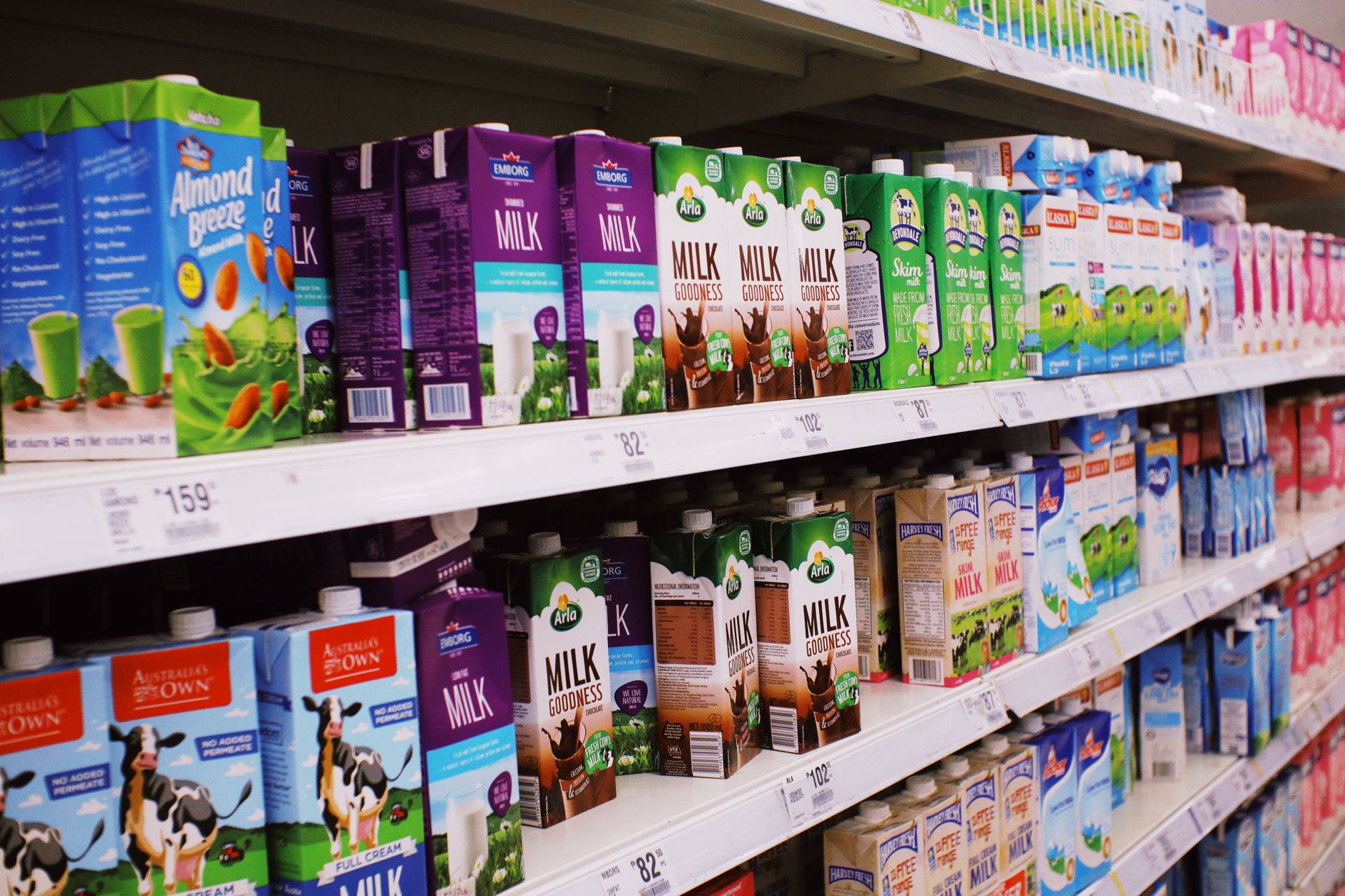
Amul milk price hike has been announced, raising prices by up to Rs 4 per litre from November 12. This change follows a similar move by Mother Dairy, impacting consumers across India.
Overview of the Price Hike
In a significant development affecting consumers, Amul has announced a price hike for its milk, marking one of the worst increases in recent times. As of November 12, the price of Amul milk will rise by up to Rs 4 per litre, following a similar move by Mother Dairy. This increase puts additional financial pressure on households already grappling with rising costs of living.
The price adjustment by Amul reflects ongoing challenges in the dairy sector, including increased feed costs and operational expenses. Many consumers are expressing their concerns over the timing of the hike, especially as it occurs in the lead-up to the festive season when dairy products are in high demand.
Key points regarding the Amul milk price hike include:
- Effective Date: The new prices will take effect from November 12.
- Extent of Increase: Consumers will see prices rise by as much as Rs 4 per litre.
- Impact on Consumers: Households may need to adjust their budgets to accommodate the increased milk prices.
This increase in Amul milk prices is likely to be a topic of discussion among consumers and industry experts alike, as it raises questions about the sustainability of dairy prices in the current economic climate.
Impact on Consumers
The recent Amul milk price hike has left consumers feeling the pinch, as the cost of milk rises by up to Rs 4 per litre starting November 12. This increase represents one of the most significant adjustments in recent years, prompting concerns among households that rely heavily on dairy products.
Many families are struggling to cope with the financial implications of this hike, particularly those already facing tight budgets. The price rise is expected to affect not only the cost of milk but also the prices of related dairy products, which are staples in many Indian kitchens.
The impact on consumers is multifaceted:
- Increased Household Expenses: Families will need to allocate more of their monthly budget towards essential dairy products.
- Inflationary Pressure: The rise could contribute to broader inflationary trends, affecting overall consumer spending.
- Impact on Small Businesses: Local tea stalls and eateries that depend on affordable milk may need to raise their prices, leading to reduced footfall.
- Health Concerns: Some consumers may opt to reduce their milk intake, potentially impacting their nutritional consumption.
As the Amul milk price hike takes effect, consumers will have to navigate these challenges while seeking alternatives to manage their expenses.
Comparison with Mother Dairy
As the dairy market adjusts to recent price fluctuations, a notable comparison can be drawn between Amul and its competitor, Mother Dairy. While both brands have announced significant price hikes, the increase from Amul is particularly striking for consumers.
Mother Dairy implemented a price rise of Rs 2 to Rs 3 per litre prior to Amul’s announcement. In contrast, the Amul milk price hike has set a new benchmark, with increases reaching up to Rs 4 per litre. This notable difference emphasizes the pressure on consumers as they navigate the rising costs of essential dairy products.
To provide a clearer picture, here is a comparison of the recent price hikes:
- Mother Dairy: Price increase of Rs 2 to Rs 3 per litre
- Amul: Price increase of Rs 4 per litre
The repercussions of these hikes extend beyond just numbers; they affect household budgets and purchasing decisions. With the Amul milk price hike being the worst increase for consumers, many households are now faced with the challenge of adjusting their grocery spending to cope with the rising prices of milk and dairy products.
Reasons for the Increase
The recent Amul milk price hike has been attributed to several factors impacting the dairy sector. These reasons have raised concerns among consumers already grappling with rising living costs.
- Increased Feed Costs: One of the primary reasons for the price hike is the surge in feed costs for dairy cattle. Fluctuations in global grain prices have significantly affected the cost of production.
- Higher Transportation Expenses: The ongoing rise in fuel prices has led to increased transportation costs for delivering milk. This has forced dairy companies to adjust their pricing structures to maintain profitability.
- Supply Chain Disruptions: The pandemic had a long-lasting impact on supply chains, causing delays and increased operational costs. These disruptions have made it challenging for companies like Amul to sustain previous price levels.
- Demand Surge: Following the easing of lockdown restrictions, there has been a notable increase in demand for dairy products. This surge has put additional pressure on dairy producers to meet consumer needs, ultimately leading to the Amul milk price hike.
As consumers face this latest increase, analysts suggest that further adjustments may be necessary in the future as the dairy industry continues to navigate these challenging economic conditions.
Market Reactions
The recent Amul milk price hike has sparked significant reactions across the market, with both consumers and retailers expressing their concerns. Many families are feeling the strain as the increase of Rs 4 per litre comes at a time when household budgets are already stretched thin due to rising inflation.
Retailers have reported a noticeable decline in sales as customers are hesitant to purchase milk and dairy products at the new prices. Some local shops have started offering discounts on other products to encourage shoppers to continue visiting their stores, but many are opting for alternatives or reducing their overall dairy consumption.
The decision has also prompted discussions among dairy farmers, who are caught in a challenging position. While they seek better prices for their produce, they are also aware that price hikes can lead to decreased demand. This delicate balance is causing anxiety within the agricultural community.
Moreover, social media platforms have become a hotbed for consumer reactions. A plethora of posts and comments reflect frustration over the continuous hikes, with many users questioning the sustainability of such increases. Some consumers have even suggested boycotting Amul products, hoping to send a message to the company about the impact of their pricing strategies.
As the market adjusts to the new pricing, it remains to be seen how this will influence consumer loyalty and overall dairy consumption in the coming months.
Future Predictions
As the Amul milk price hike takes effect, experts predict that the dairy market may face continued fluctuations in the coming months. Industry analysts anticipate that the increase in prices could lead to a ripple effect, potentially impacting various sectors that rely heavily on dairy products.
Several factors contribute to these predictions:
- Supply Chain Disruptions: Ongoing supply chain challenges, exacerbated by global events, may lead to further price adjustments across the dairy industry.
- Demand Surge: With the festive season approaching, consumer demand for dairy products is expected to rise, possibly prompting additional hikes in prices by other brands.
- Input Costs: The rising costs of feed and transportation could compel dairy producers to raise prices to maintain profit margins, which might result in more price increases similar to the Amul milk price hike.
- Government Policies: Regulatory changes and government interventions in the dairy sector could also influence market prices, either mitigating or exacerbating the impact on consumers.
Consumers are advised to brace for potential further increases, as the current Amul milk price hike could be just the beginning of a challenging period for dairy buyers. Observers will be closely monitoring market trends to see how they unfold in the near future.
Government Response
The recent hike in Amul milk prices has prompted reactions from various government officials and agencies. The increase, which amounts to Rs 4 per litre, has raised concerns among consumers and policymakers alike. In response, the government has initiated discussions to address the implications of this price surge.
Officials from the Ministry of Consumer Affairs have stated that they are closely monitoring the situation. They have expressed their commitment to ensuring fair pricing and availability of essential commodities, including milk. The government is considering potential measures to mitigate the impact of the Amul milk price hike on consumers.
Additionally, the Dairy Development Department is evaluating the supply chain to understand the factors leading to these price increases. They aim to ensure that the interests of consumers are safeguarded, especially in the wake of rising costs affecting daily essentials.
Consumer advocacy groups have also voiced their concerns, urging the government to take swift action to protect consumers from excessive pricing. They emphasize the need for transparency in pricing mechanisms within the dairy sector.
As the situation unfolds, the government’s response to the Amul milk price hike will be critical in shaping consumer confidence and maintaining market stability.
Consumer Tips on Managing Costs
As the Amul milk price hike takes effect, consumers are feeling the pinch of rising dairy costs. To help manage expenses, here are some practical tips:
- Budget Wisely: Review your monthly expenses and allocate a specific budget for dairy products. Consider reducing spending in other areas to accommodate the price increase.
- Purchase in Bulk: Buy larger quantities of milk if possible, as this may provide cost savings over time. Check for promotions or discounts available at local stores.
- Explore Alternatives: Look into other dairy brands or non-dairy alternatives that may offer competitive pricing. Comparing prices can lead to significant savings.
- Limit Waste: Be mindful of how much milk is used and avoid wasting any. Plan meals and recipes that utilize milk effectively to ensure it does not spoil.
- Stay Informed: Keep an eye on market trends and future price fluctuations. Being aware of the dairy market can help you adapt your purchasing habits accordingly.
- Join Community Groups: Engage with local community groups or social media platforms to share tips and potentially purchase products in bulk together.
By implementing these strategies, consumers can mitigate the impact of the Amul milk price hike and maintain their budgets effectively.
Photo by Nothing Ahead on Pexels
Read the original
You might also like
ETF flows update: Worst drop of $95 million in BTC · Dow climbs 1100 points: Quick rebound after AI sell-off · Harrow Q3 2026 earnings: Is it the best investment opportunity?