









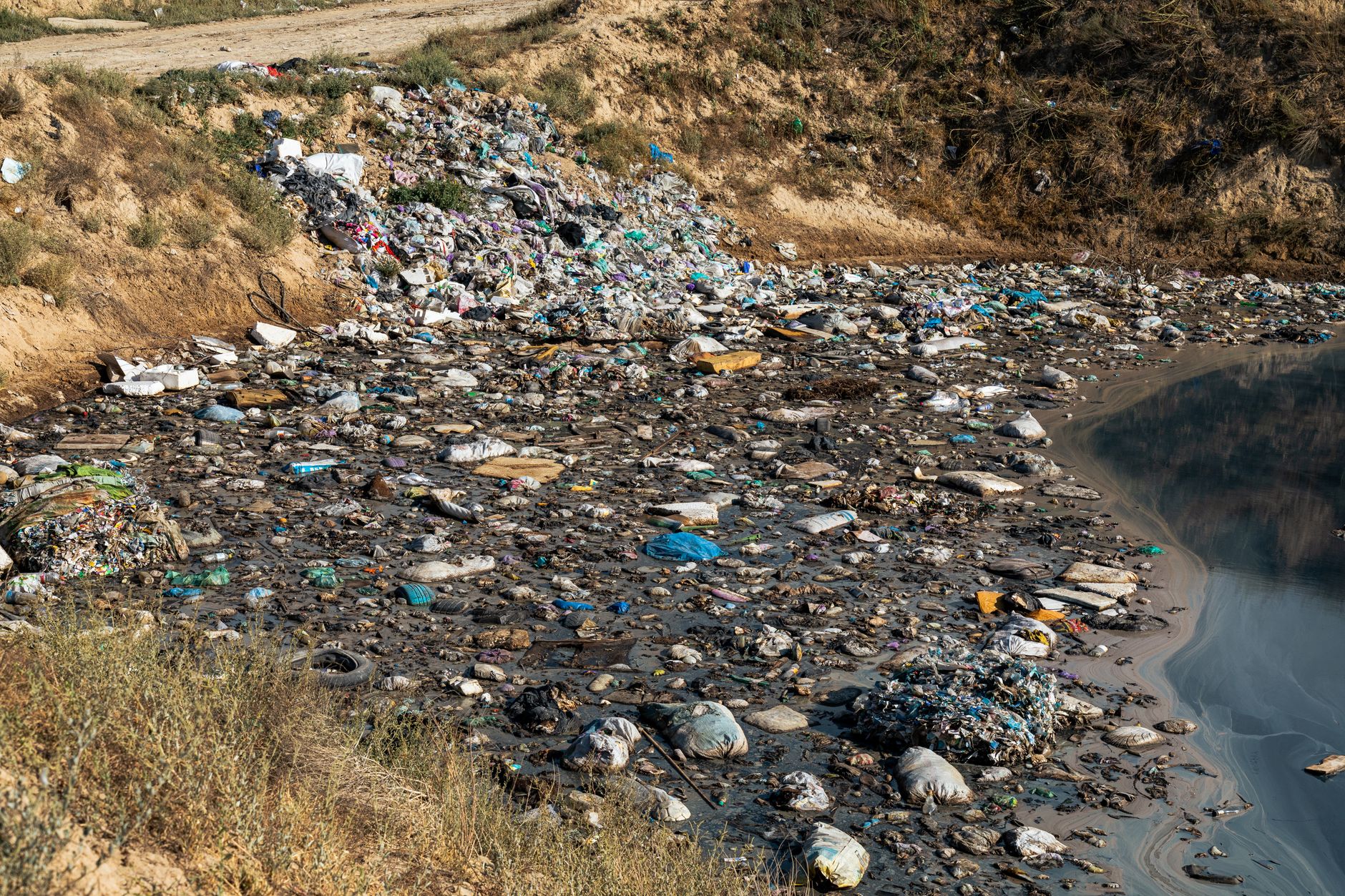
Ajnar River pollution has become a pressing issue once more, as Bittu Tabahi shares a heartbreaking update on its deteriorating condition. Despite previous efforts to restore its health, the situation remains dire.
Current State of Ajnar River
The current state of the Ajnar River has become a point of significant concern for environmentalists and local communities alike. Despite previous efforts to combat pollution, the river has once again fallen victim to severe contamination. Reports indicate that industrial waste and untreated sewage have been the primary culprits contributing to the Ajnar River pollution.
According to Bittu Tabahi, an environmental activist, the situation is “heartbreaking.” He notes that the river, once a vital source of life for the surrounding ecosystem, is now struggling to support even the most resilient species. The water quality has sharply declined, leading to dire consequences for both wildlife and human health.
Local residents have raised alarms about the impact of the pollution. Many rely on the river for daily activities, such as:
- Fishing for sustenance
- Watering livestock
- Washing clothes and household items
The rising levels of toxins have made it increasingly dangerous to engage in these activities. As the community grapples with these challenges, calls for urgent government intervention are growing louder. The need for a comprehensive cleanup plan is more pressing than ever, as the Ajnar River represents not only a natural resource but also a cultural heritage that must be preserved for future generations.
Impact of Pollution on Local Communities
The pollution of the Ajnar River has had devastating effects on local communities, causing both environmental and health crises. Residents along the riverbanks have reported a significant decline in water quality, which has directly impacted their daily lives.
One of the most pressing issues is the contamination of drinking water sources. Many families rely on the Ajnar River for their water supply, and the pollution has led to serious health concerns. Common ailments include:
- Skin rashes and irritations
- Gastrointestinal diseases
- Respiratory issues due to poor air quality
In addition to health risks, the pollution of the Ajnar River has severely affected local agriculture. Farmers depend on the river for irrigation, but the toxic substances have rendered the soil unfit for cultivation. This has resulted in:
- Decreased crop yields
- Increased food insecurity
- Loss of income for farming families
Moreover, the traditional fishing industry, which has been a source of livelihood for many, has also suffered. Fish populations have dwindled, and the remaining fish are often unfit for consumption. The ongoing Ajnar River pollution crisis continues to strain community resources and heightens the sense of urgency for effective environmental action.
Previous Efforts to Clean the River
In recent years, there have been several efforts aimed at addressing the alarming Ajnar River pollution, which has drastically affected the surrounding ecosystem and local communities. Various governmental and non-governmental organizations have launched initiatives to revitalize the river, but progress has been inconsistent.
One of the notable efforts included a large-scale cleanup campaign that mobilized volunteers from local communities. These volunteers participated in riverbank cleanups and collected waste along the river’s banks. Despite their enthusiasm and dedication, the campaign faced challenges due to the sheer volume of waste and ongoing pollution sources.
The Madhya Pradesh government also announced plans for a sewage treatment project intended to reduce the influx of untreated waste into the Ajnar River. While initial phases of the project showed promise, delays and funding issues hindered its completion, leaving the river vulnerable to further contamination.
Community leaders have emphasized the importance of continuous education about pollution and its impacts. They organized workshops and educational programs aimed at raising awareness among residents about the importance of maintaining the river’s health.
Despite these previous efforts, as highlighted by Bittu Tabahi’s recent update, the Ajnar River pollution crisis remains dire, necessitating renewed commitment and collaborative action from all stakeholders involved.
Government Response to Pollution
The recent surge in pollution levels in the Ajnar River has prompted a significant response from the government of Madhya Pradesh. As the crisis escalates, officials have announced a multi-faceted approach to address the worsening situation.
Key measures outlined by environmental authorities include:
- Increased Monitoring: The government will enhance monitoring of water quality in the Ajnar River to gather real-time data on pollution levels.
- Collaboration with NGOs: Partnerships with local non-governmental organizations will be strengthened to foster community awareness and engagement in conservation efforts.
- Regulation of Industries: Stricter regulations will be imposed on industries located near the riverbanks to prevent the discharge of harmful pollutants.
- Public Awareness Campaigns: Initiatives aimed at educating residents about the importance of protecting the river and its ecosystem will be launched.
Despite these efforts, environmental activists express skepticism regarding the government’s commitment to tackling the Ajnar River pollution. They argue that past promises have not led to tangible improvements. Bittu Tabahi, a prominent environmentalist, shared a heartbreaking update, highlighting that the river continues to suffer from neglect and pollution, undermining the health and livelihood of local communities.
Future Outlook for Ajnar River
The future outlook for the Ajnar River remains grim as pollution levels continue to rise, posing a significant threat to the surrounding ecosystem and local communities. Despite previous cleanup efforts, the situation has not improved, highlighting the need for a more comprehensive approach to address the ongoing issues surrounding Ajnar River pollution.
Experts predict that if immediate action is not taken, the river could face irreversible damage. The deterioration of water quality could lead to the extinction of fish species that rely on the river for survival, affecting not only biodiversity but also the livelihoods of local fishermen.
In light of the worsening conditions, community leaders have begun advocating for stricter regulations on industrial waste disposal and agricultural runoff. They emphasize the importance of sustainable practices that protect the river’s health.
Furthermore, environmental organizations are pushing for increased public awareness campaigns to educate citizens on the impact of their actions. Initiatives aimed at reducing plastic waste and promoting eco-friendly practices are crucial to restoring the river’s natural state.
Ultimately, the future of the Ajnar River hinges on collective efforts from the government, local communities, and environmental advocates. Without a united front, the chances of reversing the pollution trend remain slim, leaving the river to suffer further degradation.
Community Involvement in Restoration Efforts
In response to the alarming levels of Ajnar River pollution, local communities have mobilized to take action and restore the river’s health. Residents, environmental activists, and various organizations have come together, spearheading numerous initiatives aimed at cleaning and protecting the river ecosystem.
One of the significant efforts has been the formation of community volunteer groups that participate in regular clean-up drives along the riverbanks. These volunteers have dedicated weekends to remove debris, plastics, and other pollutants that contribute to the river’s deteriorating condition. Their commitment has not only improved the river’s appearance but has also raised awareness about the importance of maintaining a clean environment.
In addition to physical clean-up efforts, community members have launched educational campaigns to inform residents about the effects of pollution on the local ecosystem and public health. Workshops and seminars are now common, focusing on sustainable practices and the significance of preserving the river for future generations.
Moreover, local artists have contributed by creating murals and installations that highlight the beauty of the Ajnar River and the urgent need for its preservation. This blend of art and activism has further galvanized community support and sparked conversations about environmental responsibility.
As local communities continue to take charge, there is hope that these grassroots efforts will lead to meaningful change and a cleaner, healthier Ajnar River.
The recent reports reveal that Ajnar River pollution has reached alarming levels, threatening both local wildlife and communities. Urgent measures are needed to address the ongoing Ajnar River pollution crisis before it leads to irreversible damage.
Photo by Collab Media on Pexels
References
Related reading
India Rupee Performance: Best Proven Strategies for Growth · Monetary Penalty RBI: Proven Impact on Local Banks · Singapore startups funding: The Best Proven Strategies