









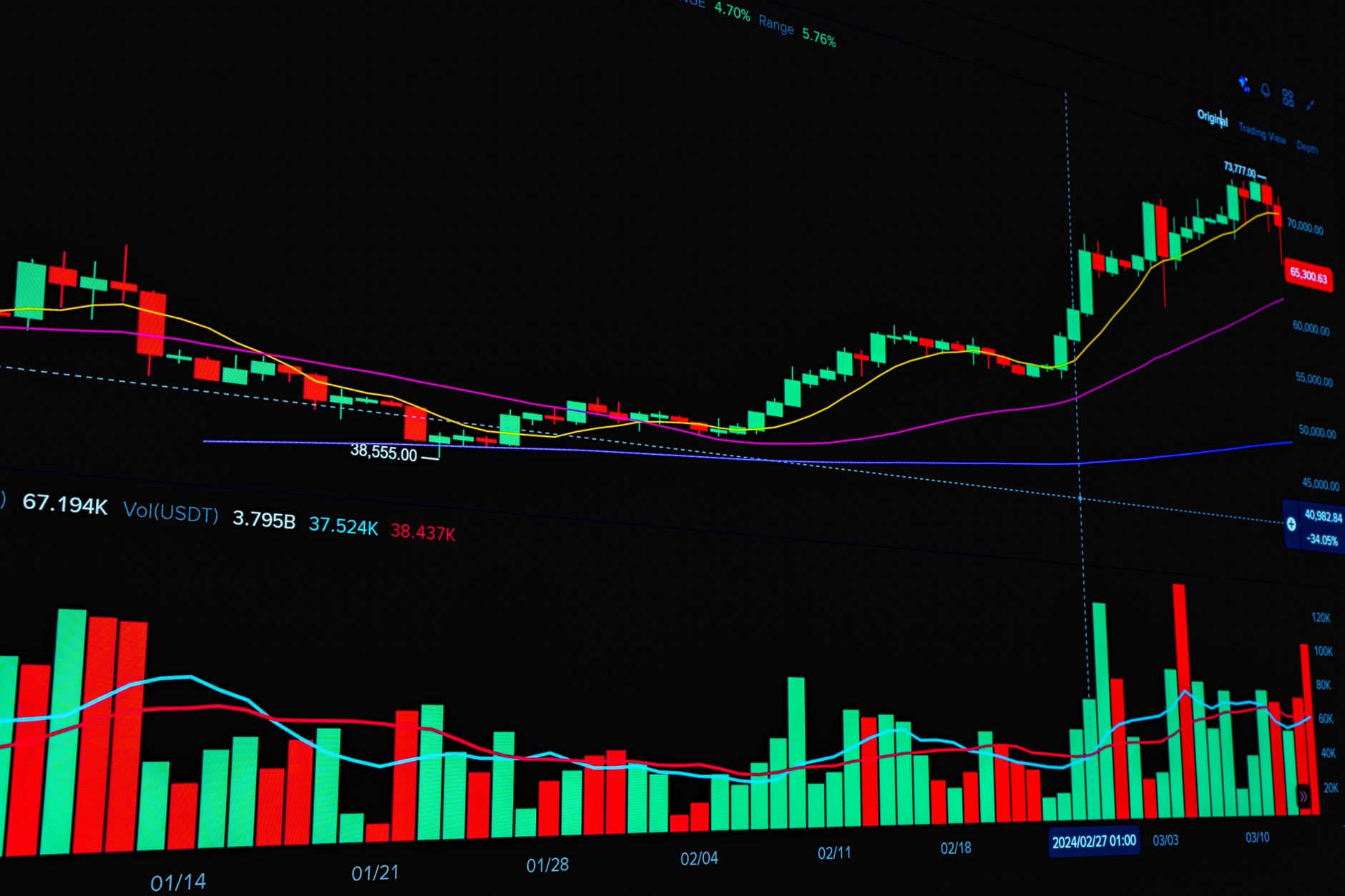
Sensex falls Nifty rises in today’s trading as oil prices ease, creating a dynamic shift in market sentiments. Investors are keen to understand the implications of these changes.
Market Overview
On Monday, the Indian stock market exhibited a mixed performance as the Sensex fell while the Nifty rose, reflecting investor sentiment amid fluctuating oil prices. The decline in Sensex can be attributed to various factors, including profit booking by investors after recent gains.
In contrast, the Nifty managed to find support from certain sectors that showed resilience, particularly in technology and pharmaceuticals. Analysts noted that the easing of oil prices played a crucial role in stabilizing market sentiment, providing some relief to investors concerned about inflationary pressures.
Market experts highlighted the importance of keeping an eye on global trends. They pointed out that while the Sensex falls, Nifty rises could indicate a shift in investor focus towards sectors that are less affected by oil price volatility.
Overall, the market’s mixed signals suggest a cautious approach as traders navigate through economic indicators and geopolitical developments. Key factors to watch in the upcoming sessions include:
- Global market trends
- Domestic economic data releases
- Sector-specific performances
Impact of Oil Prices on Stocks
The recent fluctuations in oil prices have significantly influenced the stock market, contributing to the current scenario where the Sensex falls while the Nifty rises. As oil prices eased, investors reacted by adjusting their portfolios, leading to a mixed performance across various sectors.
Several factors are at play regarding the impact of oil prices on stocks:
- Cost of Production: Lower oil prices typically reduce the cost of production for many companies, particularly in the transportation and manufacturing sectors. This reduction can lead to increased profit margins and higher stock prices.
- Consumer Spending: Cheaper oil often translates to lower fuel prices, which can enhance consumer spending as disposable incomes rise. This increased spending can positively affect companies in the retail and service sectors.
- Energy Sector Volatility: Conversely, falling oil prices can negatively impact energy companies, leading to declines in their stock prices. This has been a contributing factor to the Sensex falling amid the overall market fluctuations.
In summary, the intricate relationship between oil prices and stock market performance remains crucial for investors to watch as they navigate these changes.
Investors’ Reactions
Investors have reacted with a mix of caution and optimism following the latest market shifts, where the Sensex falls while the Nifty rises. Many market participants are closely monitoring the implications of fluctuating oil prices on their portfolios.
According to analysts, the divergence between the two indices has created a nuanced landscape for investors. Retail investors seem to be taking advantage of the Nifty’s positive momentum, while those exposed to the Sensex are reassessing their strategies.
Some key sentiments from investors include:
- Optimism about recovery: Many believe that the Nifty’s upward trend could signal broader economic recovery.
- Caution over volatility: Investors are wary of potential fluctuations that could arise from geopolitical tensions and changing oil prices.
- Sector rotation: There is a growing interest in sectors that are benefiting from the current market environment, particularly those linked to technology and consumer goods.
As the market continues to evolve, investors are advised to remain vigilant and adaptable, keeping a close eye on both the Sensex and Nifty trends.
Sector Performance Analysis
In the latest trading session, sector performance showed a mixed bag, reflecting the contrasting movements in the markets. The Sensex falls while Nifty rises, highlighting the divergence in sectoral strength. Financials and IT stocks were among the key drivers of Nifty’s upward trend, buoyed by positive earnings reports and optimistic forecasts. In particular, the banking sector saw a surge, contributing significantly to Nifty’s gains, as investors responded favorably to improved asset quality indications.
Conversely, the consumer goods and energy sectors faced pressure, reflecting the broader sell-off that impacted the Sensex. Companies in these sectors struggled with rising costs and lower demand projections, leading to a decline in stock prices. The ongoing fluctuations in oil prices have also contributed to this sector’s woes, making it challenging for companies reliant on stable energy costs.
On the positive side, sectors such as pharmaceuticals and infrastructure have shown resilience, attracting investor interest amidst the turmoil. As the market adjusts to shifting economic indicators, sector performance will continue to be a focal point for investors navigating these volatile conditions.
Key Economic Indicators
The recent fluctuations in the stock market have been influenced by several key economic indicators that investors should keep an eye on. These metrics not only affect market sentiment but also provide insight into the overall health of the economy.
Some of the most significant indicators include:
- Inflation Rates: A steady decline in inflation can lead to increased consumer spending, which typically supports stock prices.
- Interest Rates: The Reserve Bank’s decisions on interest rates have a direct impact on borrowing costs and investment flows in the market.
- GDP Growth: Strong GDP growth signals a robust economy, which can buoy investor confidence and drive stock prices upward.
- Employment Figures: A rise in employment usually correlates with increased consumer spending and overall economic growth.
As the Sensex falls while the Nifty rises, tracking these economic indicators is essential for investors seeking to navigate the complexities of the market. Understanding these factors can help in making informed decisions amidst the volatility.
Future Market Predictions
As investors analyze the current market trends, future predictions remain a focal point for many. With the recent movements of the Sensex falling while the Nifty rises, analysts are divided on what the coming weeks may hold.
Experts suggest that the easing of oil prices could provide a cushion for the Nifty, potentially allowing it to maintain its upward trajectory. However, uncertainties in the global economic landscape may still pose challenges for the Sensex.
Key factors to watch include:
- Global Economic Indicators: Continued monitoring of economic data from major economies will be crucial.
- Corporate Earnings: The performance of companies in upcoming earnings reports could influence market sentiment.
- Monetary Policy Changes: Any shifts in interest rates or liquidity measures by central banks could impact liquidity in the markets.
Furthermore, with geopolitical tensions and inflation rates still under scrutiny, investors are advised to remain cautious. The divergence in performance between the Sensex and Nifty could signal a more complex market scenario ahead. As always, staying informed and adaptable is key to navigating these fluctuations.
Expert Opinions on Trends
Experts are closely monitoring the ongoing fluctuations in the Indian stock market, particularly how the Sensex falls while the Nifty continues to rise. According to financial analyst Riya Sharma, “The contrasting movements of these indices reflect investor sentiment and market dynamics at play.”
Sharma highlighted several factors influencing these trends:
- Global Economic Conditions: The easing of oil prices has provided a temporary relief to investors, boosting the Nifty, which is heavily weighted towards technology and finance sectors.
- Sector Rotation: Investors are shifting their focus towards sectors that are expected to benefit from the current economic climate, leading to a divergence in index performances.
- Market Sentiment: The sentiment around the Nifty remains positive, driven by strong earnings reports and optimistic forecasts, contrasting the caution seen in Sensex-led stocks.
Furthermore, veteran trader Anil Gupta noted, “While the Sensex falls, the resilience shown by the Nifty indicates a potential shift in investor preferences toward growth-oriented stocks.” As these trends unfold, market participants are advised to stay vigilant and adjust their strategies accordingly.
Conclusion and Takeaways
In conclusion, the recent performance of the Indian stock market has showcased a contrasting scenario with the Sensex falling while the Nifty managed to rise. This divergence highlights the complex dynamics at play in the financial markets, particularly in response to external factors such as oil prices.
Several key takeaways can be drawn from the current market situation:
- Market Volatility: Investors should remain vigilant as fluctuations in oil prices and global economic conditions can lead to increased volatility.
- Diverse Sector Performance: While the Nifty has shown resilience, sectors heavily reliant on oil and commodities may continue to face pressure.
- Investor Sentiment: The mixed reactions from investors indicate a cautious approach, with many seeking opportunities amidst uncertainty.
- Future Outlook: Analysts remain divided on the short-term outlook, suggesting a need for close monitoring of economic indicators and geopolitical developments.
Overall, as the market landscape evolves, understanding the factors influencing the Sensex falls Nifty rises scenario will be crucial for making informed investment decisions.
In today’s trading session, while the Sensex falls Nifty rises, investors are closely watching sectoral performances for potential opportunities. The divergence between the two indices indicates varying investor sentiment across the market.
Photo by Rafael Minguet Delgado on Pexels