






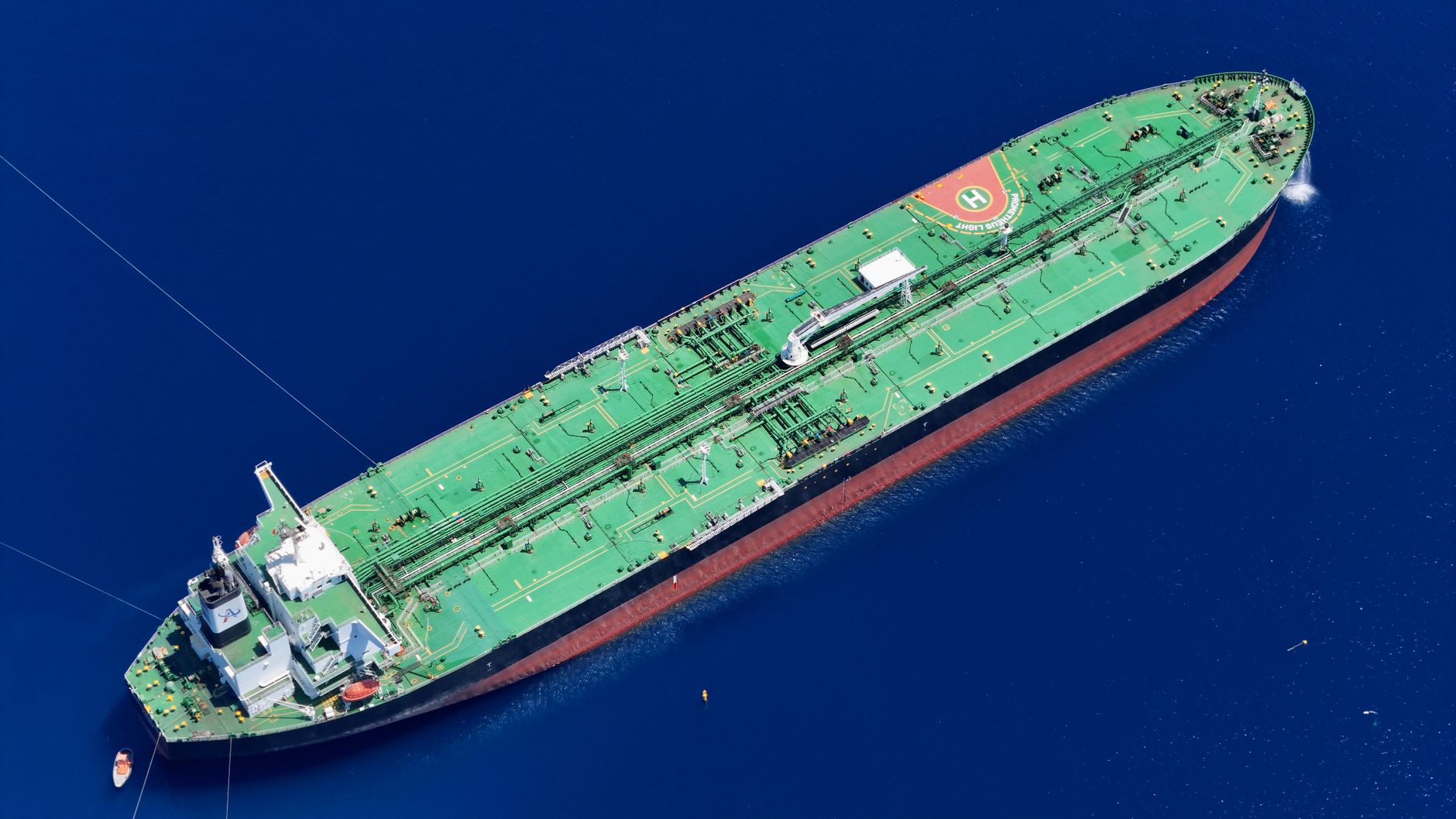
Freight rates Asia US crude are on the rise, posing a significant threat to the region’s appetite for American crude oil. This situation raises concerns among logistics experts and market analysts.
Understanding the Current Freight Rate Surge
The recent surge in freight rates is creating significant challenges for Asian markets looking to import US crude. High transportation costs can dramatically impact the overall pricing of crude oil, making it less competitive compared to local options.
Several factors have contributed to this increase in freight rates:
- Global Supply Chain Disruptions: Ongoing supply chain issues, exacerbated by geopolitical tensions and pandemic-related delays, have limited shipping capacity.
- Increased Demand for Shipping: A global recovery in trade has led to higher demand for shipping services, driving up prices.
- Fuel Costs: Rising fuel prices have also contributed to elevated freight rates, thereby impacting the overall cost of transporting US crude to Asia.
As a result, refiners in Asia are reassessing their crude oil purchasing strategies. The combination of soaring freight rates and fluctuating oil prices may lead to reduced demand for US crude, potentially altering trade dynamics in the region.
Impact of Soaring Freight Rates on Oil Demand
The recent surge in freight rates is beginning to exert significant pressure on Asia’s demand for US crude oil. As transportation costs rise, the overall expense of importing oil from the United States becomes less appealing for Asian buyers, who are already facing various economic challenges.
Several factors contribute to the rising freight rates, including:
- Increased demand for shipping capacity: A global rebound in trade has led to heightened competition for available vessels.
- Port congestion: Delays at key ports have resulted in longer shipping times, further driving up costs.
- Regulatory changes: New environmental regulations are impacting shipping routes and operational expenses.
As freight rates continue to climb, they could deter refiners and traders in Asia from committing to US crude purchases. Analysts warn that sustained high freight rates may lead to a reevaluation of supply chains and sourcing strategies, ultimately reshaping the dynamics of oil importation in the region.
Logistics Challenges Faced by Asian Importers
Asian importers are grappling with significant logistics challenges as they navigate the current surge in freight rates for US crude. The skyrocketing costs are not only straining supply chains but also impacting the overall demand for oil in the region.
Several factors contribute to these logistics challenges:
- High Freight Costs: With freight rates for US crude hitting unprecedented levels, importers are facing tough decisions on whether to proceed with purchases.
- Port Congestion: Increased shipping volumes have led to congestion at major ports, causing delays that further escalate costs.
- Limited Shipping Availability: A shortage of available vessels has made it difficult for importers to secure timely transportation for their crude supplies.
- Longer Delivery Times: As logistics become more complicated, delivery times are extending, affecting inventory management and supply continuity.
These challenges are raising concerns among Asian buyers, who are increasingly wary of committing to US crude purchases amid fluctuating freight rates.
Comparative Analysis: US Crude vs. Other Sources
The recent surge in freight rates has prompted a closer look at the comparative dynamics of US crude versus other oil sources. As Asian markets grapple with soaring costs, the demand for US crude appears to be impacted significantly. Various factors contribute to this scenario.
- Price Competitiveness: With freight rates Asia US crude climbing, other oil suppliers, particularly from the Middle East, become more appealing due to lower transportation costs.
- Supply Stability: Countries like Saudi Arabia can offer more stable shipping arrangements, reducing the risk of unexpected freight increases.
- Quality and Specifications: While US crude is often regarded for its quality, some Asian refiners may prioritize sourcing oil that requires less refining, impacting their choices.
As a result, Asian importers are increasingly weighing the total landed cost of US crude against alternatives. The delicate balance between freight rates and oil source preferences continues to shape the region’s energy landscape.
Future Projections for Freight Costs
As the shipping industry grapples with unprecedented costs, future projections for freight rates are becoming increasingly critical for market analysts and stakeholders in the oil sector. Experts anticipate that freight rates for transporting US crude to Asia may remain elevated for the foreseeable future, influenced by a combination of factors including geopolitical tensions, supply chain disruptions, and fluctuating fuel prices.
In light of these challenges, Asian countries are weighing their options carefully. Key considerations include:
- Alternative Suppliers: Countries may look towards domestic production or other regions to mitigate costs.
- Volume Adjustments: Importers might reduce volumes of US crude to offset higher freight rates.
- Long-term Contracts: Some companies are exploring long-term contracts to lock in more favorable rates amidst volatility.
Ultimately, the trajectory of freight rates in Asia will significantly influence the demand for US crude, potentially reshaping the dynamics of global oil trade.
Expert Opinions on the Freight Rate Crisis
Industry experts are increasingly concerned that rising freight rates could significantly impact Asia’s demand for US crude. Mark Thompson, a senior analyst at Global Oil Insights, stated, “As freight rates soar, the cost of importing US crude becomes less competitive compared to regional alternatives.” He emphasized that the increasing logistics costs might push Asian refiners to explore more local sources or suppliers from the Middle East.
Another expert, Lisa Chen from the Asian Energy Forum, echoed these sentiments, noting that “the freight rates Asia faces are unprecedented, and they threaten to undermine the strong relationships built with US suppliers.” She pointed out that if the situation persists, it could lead to a long-term shift in sourcing strategies.
Furthermore, James Lee, a shipping economist, remarked, “The volatility in freight rates is a significant factor that players in the oil market cannot ignore. It will shape the future of oil trade in the region.”
These insights highlight the critical intersection between freight rates and oil demand dynamics in Asia.
Strategies for Mitigating Freight Rate Impact
As the surge in freight rates continues to challenge the oil market, Asian importers are exploring various strategies to mitigate the impact on their demand for US crude. With shipping costs escalating, companies are reassessing their logistics and procurement practices to maintain competitiveness in a volatile environment.
- Long-term contracts: Many importers are seeking to lock in freight rates through long-term agreements, ensuring more predictable costs and reducing the risk of sudden price spikes.
- Diversifying suppliers: To lessen dependence on US crude, businesses are looking to diversify their sourcing strategies, including tapping into alternative markets for oil.
- Optimizing shipping routes: Advanced analytics and technology are being employed to identify the most efficient shipping routes, potentially lowering freight expenses.
- Investing in fleet capabilities: Some companies are considering investments in their own shipping fleets to gain more control over logistics and reduce reliance on external carriers.
Overall, these strategies may help Asian importers navigate the current freight rate challenges while sustaining demand for US crude.
Conclusion: The Future of US Crude in Asia
In conclusion, the future of US crude oil in Asia remains uncertain as freight rates continue to soar, significantly impacting demand. The increased shipping costs have compelled many Asian importers to reassess their purchasing strategies, often favoring more accessible sources of crude. This shift could lead to a long-term realignment in regional oil markets as countries seek to minimize expenses.
Analysts predict that if freight rates do not stabilize, there could be a marked decline in imports of US crude, as Asian nations may turn towards Middle Eastern or local alternatives that offer more favorable logistics. Additionally, the ongoing economic pressures and fluctuating demand for oil further complicate the landscape.
Ultimately, the interaction between freight rates and Asia’s demand for US crude will be crucial in shaping the region’s energy future. Stakeholders in the industry will need to adapt to these changing dynamics to maintain competitiveness and secure sustainable supply channels.
The rising freight rates Asia US crude are creating significant challenges for importers, leading to a decline in demand. As a result, many analysts are concerned that these elevated freight rates Asia US crude could hinder the overall growth of energy trade between the regions.
Photo by DeLuca G on Pexels