








To watch Northern Lights tonight, you can follow these easy tips to enhance your viewing experience from 12 states. Discover the best locations and conditions for optimal visibility.
Best Locations to Watch Northern Lights
When planning to watch the Northern Lights, selecting the right location is crucial for an unforgettable experience. Here are some of the best places to witness this stunning natural phenomenon:
- Fairbanks, Alaska: Known for its clear skies and minimal light pollution, Fairbanks is a prime spot for aurora viewing. The city often experiences frequent auroras, especially from late August to April.
- Yellowknife, Canada: As one of the best places in the world for aurora sightings, Yellowknife’s position under the auroral oval ensures excellent visibility. The peak season runs from mid-November to the beginning of April.
- Tromsø, Norway: This Arctic city offers a unique blend of vibrant culture and stunning landscapes. The Northern Lights can be seen from September to April, with optimal viewing conditions outside the city lights.
- Reykjavik, Iceland: Though the city itself can be bright, traveling just a short distance can lead to breathtaking views of the auroras. The best time to visit is between September and April.
- Abisko National Park, Sweden: This area is famous for its clear weather and stunning landscapes, making it a favorite among aurora hunters. The chance to see the lights peaks from December to March.
Choosing any of these locations can significantly enhance your chances to watch the Northern Lights in all their glory.
Ideal Conditions for Viewing
To maximize your chances of seeing the breathtaking Northern Lights, it is essential to consider the ideal conditions for viewing. Several factors can significantly influence your experience, and being aware of them can enhance your chances of witnessing this natural spectacle.
Time of Year: The best time to watch Northern Lights is typically during the winter months, from late September to early April. During this period, the nights are longer and darker, providing optimal conditions for visibility.
Weather Conditions: Clear skies are crucial for a successful viewing. Cloudy or overcast weather can obstruct the view of the auroras, so it is advisable to check local weather forecasts before heading out. Aim for nights with low humidity and minimal light pollution.
Solar Activity: The Northern Lights are caused by solar particles colliding with the Earth’s atmosphere. Monitoring solar activity can help you plan your viewing. Websites and apps dedicated to aurora forecasts often provide real-time updates on solar storm activity.
Location: While we’ve discussed the best locations, ensure you are far from city lights. A remote area with an unobstructed view of the northern horizon will yield the best results.
By considering these factors, you can significantly improve your chances to watch Northern Lights and enjoy a mesmerizing experience under the night sky.
Timing Your Northern Lights Experience
Timing is crucial when you want to watch Northern Lights. The phenomenon is not visible all night, and knowing when to look can greatly enhance your chances of a clear experience. Here are some key points to consider:
- Seasonality: The best time to see the Northern Lights is during the winter months, from late September to early April. This is when the nights are longest and skies are darkest.
- Time of Night: The optimal time to view the lights is typically between 10 PM and 2 AM. However, they can appear as early as 9 PM or as late as 3 AM. Be prepared to stay out for several hours.
- Solar Activity: Check the solar activity forecast before your trip. The Northern Lights are caused by solar winds, and increased solar activity can lead to more vibrant displays. Websites and apps dedicated to aurora forecasts can be helpful.
- Weather Conditions: Clear skies are essential for viewing the lights. Cloud cover can obstruct the view, so keep an eye on local weather reports for the best viewing conditions.
By planning your timing carefully, you can maximize your chances of experiencing this breathtaking natural wonder.
What to Expect During the Show
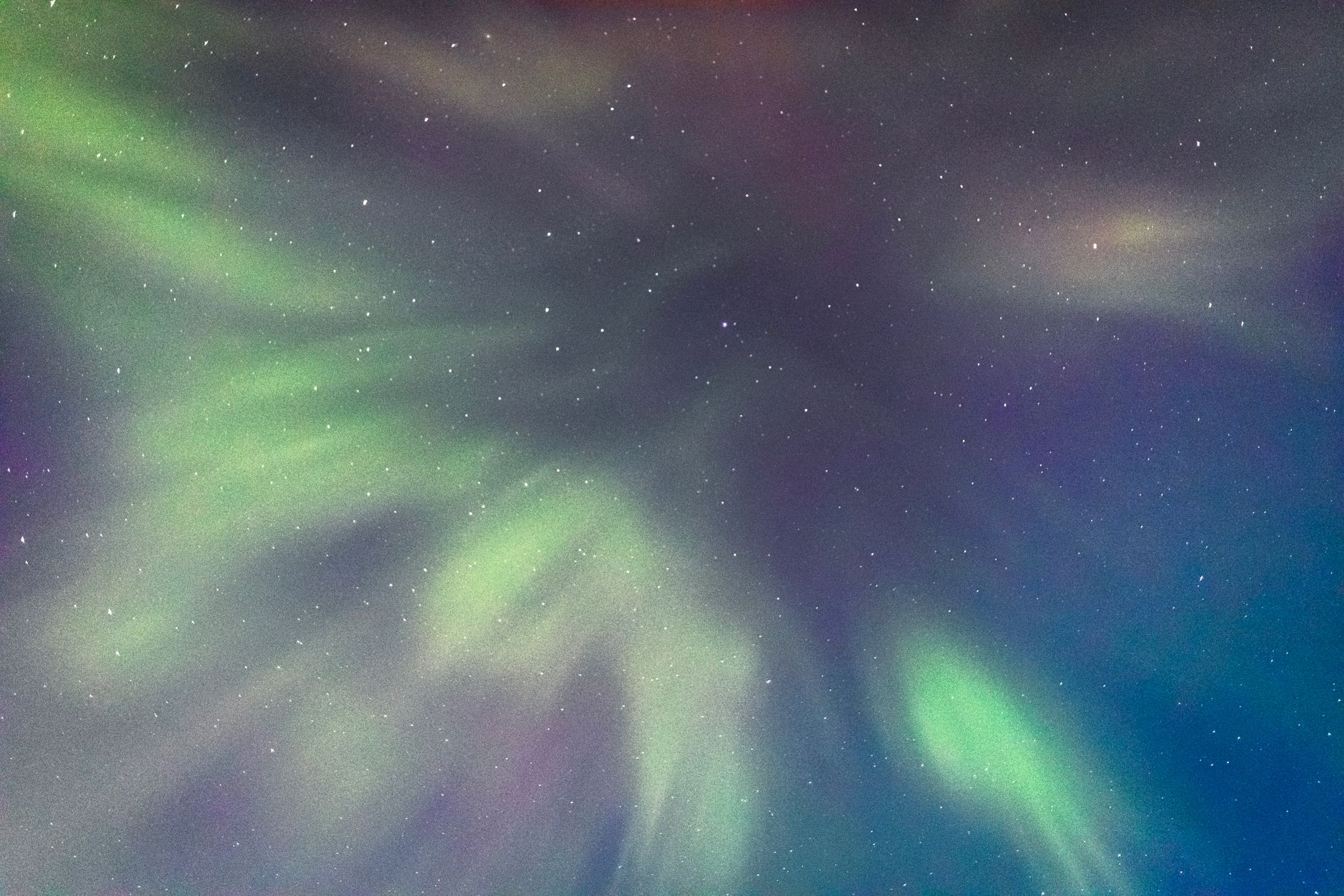
When you decide to watch Northern Lights, it’s essential to know what to expect during this breathtaking natural phenomenon. The Northern Lights, also known as Aurora Borealis, create a stunning display in the night sky, often resembling waves of green, purple, and pink light that dance across the horizon.
As you prepare for your viewing experience, consider the following elements that can enhance your enjoyment:
- Color Variations: The colors you see can vary based on the intensity of the solar activity. While green is the most common, be on the lookout for reds, blues, and violets.
- Movement: The lights often appear to shimmer and move, creating an otherworldly atmosphere. This dynamic movement can last anywhere from a few minutes to several hours.
- Weather Impact: Clear skies are crucial for a good view. Clouds can obscure the lights, so always check the local weather forecast before heading out.
- Location Sounds: In quieter areas, you may hear faint sounds, such as a soft crackling or hissing noise, which some believe are associated with the lights, although this is still debated.
Being prepared and understanding what to expect can significantly enhance your experience as you watch Northern Lights, making it a memorable adventure to cherish.
Tips for Photographing the Aurora
Photographing the Aurora can be a rewarding experience, especially when you aim to watch Northern Lights in their full glory. Here are some essential tips to help you capture stunning images of this natural phenomenon.
- Bring the Right Equipment: A DSLR or mirrorless camera with manual settings is ideal. Additionally, a sturdy tripod is crucial for long exposure shots.
- Use a Wide-Angle Lens: A wide-angle lens allows you to capture more of the night sky, making it easier to frame the Northern Lights along with the landscape.
- Adjust Your Settings: Set your camera to a high ISO (typically between 800 and 3200), a wide aperture (f/2.8 or wider), and a longer exposure time (around 15-30 seconds) to gather enough light.
- Focus Manually: Autofocus may struggle in low light, so switch to manual focus. Focus on a distant light or a bright star to ensure clarity.
- Check for Battery Life: Cold temperatures can drain batteries quickly. Bring extras and keep them warm in your pocket until needed.
- Be Patient: The Aurora can be unpredictable. Stay alert and ready, as it may appear suddenly or change intensity.
With these tips in hand, you’ll be well-prepared to photograph the mesmerizing Northern Lights and create lasting memories.
To maximize your chances to watch Northern Lights, plan your trip during the winter months when the nights are longest and darkest. Additionally, finding a location far from city lights will greatly enhance your ability to watch Northern Lights in all their glory.
Photo by Aedrian Salazar on Pexels