
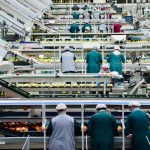







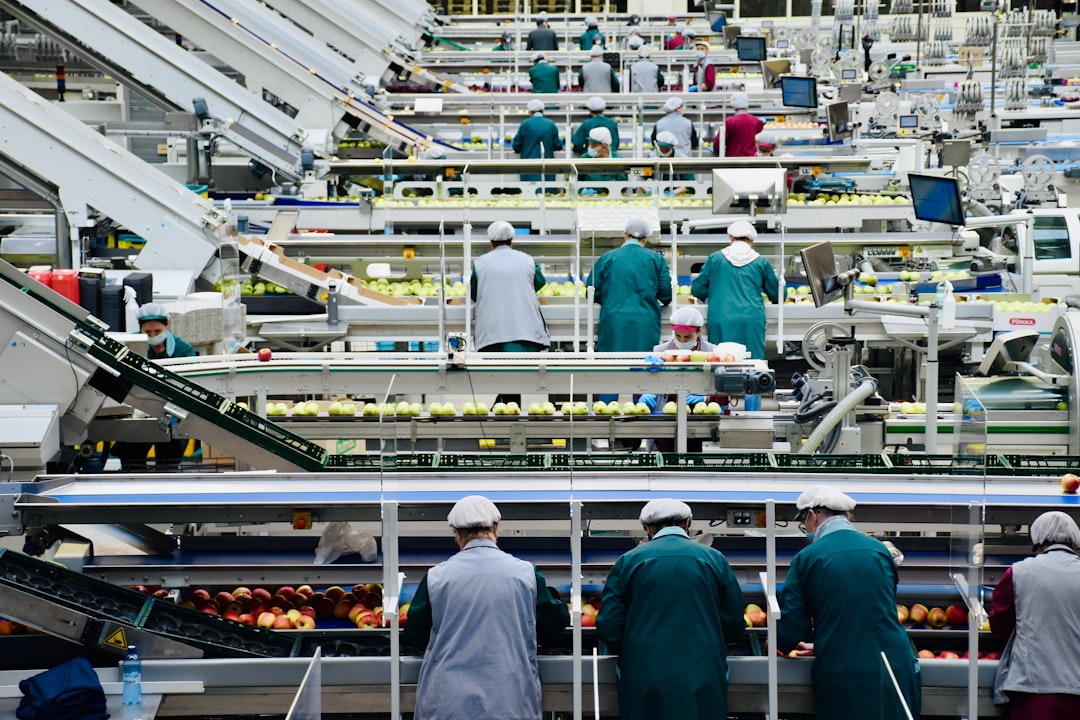
The Swiss industrial sector brings together manufacturing, engineering, technical services, production, logistics, and quality-focused operations, creating a varied employment environment for skilled professionals. People researching Industrial jobs in Switzerland (industrie jobs schweiz) can find career possibilities ranging from hands-on production work to highly specialized technical responsibilities. Employment trends indicate that industrial organizations continue to value dependable professionals who can maintain quality, understand modern systems, and contribute effectively to organized workplace processes.
Jump To
- In This Article
- A Diverse Range of Industrial Roles
- Why Practical Skills Matter
- Adapting to Modern Production
- Workplace Safety and Quality Awareness
- Professional Development and Career Progression
- Creating a Strong Job Application
- Future Prospects in Industrial Employment
- What You Need to Know
In This Article
- A Diverse Range of Industrial Roles
- Why Practical Skills Matter
- Adapting to Modern Production
- Workplace Safety and Quality Awareness
- Professional Development and Career Progression
- Creating a Strong Job Application
- Future Prospects in Industrial Employment
A Diverse Range of Industrial Roles
Industrial employment is not limited to factory-floor positions. The sector includes machine operation, mechanical maintenance, electrical work, production planning, warehouse coordination, quality assurance, engineering, and technical administration. This variety allows candidates with different educational and professional backgrounds to identify roles that correspond with their capabilities.
The nature of available positions can differ between regions and industries. Areas with strong manufacturing activity may require production specialists, while technology-focused locations may create opportunities for technically trained professionals. Understanding regional employment patterns can therefore help candidates make more informed career decisions.
Why Practical Skills Matter
Industrial work often requires employees to combine technical knowledge with practical judgment. A worker may need to operate equipment, identify process irregularities, inspect finished products, or coordinate activities with other departments. These responsibilities require concentration and an ability to follow established procedures.
Employers may also assess soft skills when reviewing candidates. Dependability, communication, teamwork, time management, and willingness to learn can influence workplace performance. Professionals who demonstrate these qualities may adapt more effectively to changing responsibilities and team structures.
Adapting to Modern Production
Industrial workplaces are becoming increasingly connected through automation and digital technologies. Production monitoring, computerized machinery, automated quality checks, and digital documentation are influencing everyday operations. Employees therefore benefit from being comfortable with technology and prepared to learn unfamiliar systems.
This technological transition does not eliminate the importance of human expertise. Instead, it changes how employees interact with equipment and processes. Workers who understand both practical operations and digital tools can contribute to efficient workflows while helping organizations maintain consistent standards.
Workplace Safety and Quality Awareness
Safety remains a fundamental consideration within industrial employment. Machinery, electrical systems, production equipment, and specialized tools require responsible handling. Employees are expected to understand workplace instructions and apply safety procedures consistently.
Quality awareness is equally important. Industrial organizations depend on reliable processes and accurate results. Small errors can affect production schedules, product standards, and customer expectations. Professionals who pay close attention to detail can therefore provide meaningful value to their teams.
Professional Development and Career Progression
Industrial careers can provide opportunities for gradual professional growth. Employees may begin with operational responsibilities and later develop expertise in maintenance, quality control, technical supervision, production coordination, or specialized engineering functions. Career progression often reflects experience, professional training, workplace performance, and continued learning.
Training can be especially useful when industrial technologies change. Learning new machinery, software, production methods, or safety practices can help employees remain prepared for evolving job requirements. A commitment to professional development can also demonstrate motivation to prospective employers.
Creating a Strong Job Application
Candidates should approach industrial employment searches with a clear understanding of their professional strengths. A résumé should highlight relevant technical qualifications, practical experience, certifications, and workplace skills without unnecessary information. Applications should also be tailored to the responsibilities described in each vacancy.
Interview preparation is another important stage. Applicants should be ready to explain their previous responsibilities, technical capabilities, approach to safety, and ability to work within a team. Clear and confident communication can help employers understand how a candidate may contribute to their organization.
Future Prospects in Industrial Employment
Switzerland’s industrial sector continues to evolve as organizations respond to technological development, changing production requirements, and the need for skilled personnel. This creates an employment environment where adaptability can be as valuable as existing technical knowledge.
Professionals who combine practical competence, reliability, digital awareness, and continuous learning can position themselves for meaningful career development. By researching suitable roles, preparing strong applications, and maintaining relevant skills, candidates can approach Switzerland’s industrial employment market with greater confidence and a clearer professional direction.
What You Need to Know
- The Swiss industrial sector encompasses various roles, including manufacturing, engineering, and quality-focused operations, offering diverse employment opportunities for skilled professionals.
- Job seekers in the industrial sector can find positions ranging from hands-on production work to specialized technical responsibilities, influenced by regional employment patterns.
- Practical skills, technical knowledge, and soft skills such as communication and teamwork are essential for success in industrial jobs, as employers value dependability and adaptability.
- Modern industrial workplaces are increasingly reliant on automation and digital technologies, necessitating employees to be comfortable with tech and willing to learn new systems.
- Safety and quality awareness are critical components of industrial employment, with employees expected to handle equipment responsibly and maintain high standards to avoid production errors.
- Career progression in the industrial sector is achievable through experience, continued learning, and professional development, allowing employees to advance to roles in maintenance, quality control, and specialized engineering.
Key Points
- The Swiss industrial sector includes diverse roles such as machine operation, mechanical maintenance, electrical work, production planning, and quality assurance.
- Employment trends indicate that industrial organizations value dependable professionals who are capable of maintaining quality and contributing to organized workplace processes.
- Workers in industrial employment need to combine technical knowledge with practical judgment and soft skills such as communication, teamwork, and time management.
- The increasing use of automation and digital technologies in industrial workplaces requires employees to be comfortable with technology and ready to learn new systems.
- Career progression in industrial roles can occur through gaining experience, professional training, and adapting to changes in industrial technologies.
- Candidates should tailor their job applications to highlight relevant technical skills and prepare to discuss their experience and teamwork capabilities during interviews.